1 a.m. - dtee neung
2 a.m. - dtee song
3 a.m. - dtee sam
4 a.m. - dtee see
5 a.m. - dtee har
6 a.m. - hok mong chao
7 a.m. - jed mong chao / neung mong chao
8 a.m. - bad mong chao / song mong chao
9 a.m. - gow mong chao / sam mong chao
10 a.m. - sib mong chao / see mong chao
11 a.m. - sib et mong chao / har mong chao
12 p.m. - tee-ung wan
1 p.m. - bai mong
2 p.m. - bai song mong
3 p.m. - bai sam mong / sam mong yen
4 p.m. - bai see mong / see mong yen
5 p.m. - har mong yen
6 p.m. - hok mong yen
7 p.m. - neung toom
8 p.m. - song toom
9 p.m. - sam toom
10 p.m. - see toom
11 p.m. - har toom
12 a.m. - tee-ung keun
Thursday, February 10, 2011

Free Datind Site Website
http://puyingthai.cc3.kr
http://puyingthai.tt0.kr
http://puyingthai.co1.kr
http://puyingthai.oo.ag
http://puyingthai.ok.hn
http://puyingthai.go5.kr
http://puyingthai.nn.hn
http://puyingthai.me.hn
http://puyingthai.go.hn
http://puyingthai.kr.gd
http://puyingthai.sm.am
http://puyingthai.0u.to
http://puyingthai.good.lu
http://puyingthai.nodisk.kr
http://puyingthai.filetok.kr
http://puyingthai.qookdown.kr
http://puyingthai.mblaq.net
http://puyingthai.goofy.kr
http://thaidating.co1.kr
http://thaidating.oo.ag
http://thaidating.sm.am
http://thaidating.ok.hn
http://puyingthai.co.cc
http://puyingthai.fdw.me
http://thaidating.fdw.me
http://meetthaigirls.fdw.me
http://thailovelinks.fdw.me
http://onlinedatingthailand.fdw.me
http://loveawake.fdw.me
http://sweetsingles.fdw.me
http://thaigirlsdating.fdw.me
http://thaifriendly.fdw.me
http://thailovelines.fdw.me
http://findloveasia.fdw.me
http://sincerityseekers.fdw.me
http://siamhoney.fdw.me
http://thaidateclub.fdw.me
http://thailandfriends.fdw.me
http://mythailove.fdw.me
http://thailanddatingwomen.fdw.me
http://datingthais.fdw.me
http://thailanddarlings.fdw.me
http://thaiwebsites.fdw.me
http://thaidate4u.fdw.me
http://puyingthai.je.ro
http://thaidating.go5.kr
http://thaidating.nn.hn
http://thaidating.me.hn
http://thaidating.go.hn
http://thaidating.kr.gd
http://thaidating.0u.to
http://thaidating.good.lu
http://thaidating.nodisk.kr
http://thaidating.filetok.kr
http://thaidating.qookdown.kr
http://thaidating.mblaq.net
http://thaidating.goofy.kr
http://puyingthai.top.to
http://puyingthai.pq.to
http://puyingthai.pain.kr
http://puyingthai.blogg.kr
http://thaidating.top.to
http://thaidating.pq.to
http://thaidating.pain.kr
http://meetthaigirls.top.to
http://meetthaigirls.pq.to
http://mythailove.top.to
http://mythailove.pq.to
http://findloveasia.top.to
http://findloveasia.pq.to
http://sweetsingles.top.to
http://sweetsingles.pq.to
http://puyingthai.vv.vc
http://puyingthai.fu.to
http://meetthaigirls.vv.vc
http://meetthaigirls.fu.to
http://thaidating.vv.vc
http://thaidating.fu.to
http://sweetsingles.vv.vc
http://sweetsingles.fu.to
http://thaidate4u.vv.vc
http://thaidate4u.fu.to
http://siamhoney.vv.vc
http://siamhoney.fu.to
http://thailovelinks.vv.vc
http://thailovelinks.fu.to
http://puyingthai.tt0.kr
http://puyingthai.co1.kr
http://puyingthai.oo.ag
http://puyingthai.ok.hn
http://puyingthai.go5.kr
http://puyingthai.nn.hn
http://puyingthai.me.hn
http://puyingthai.go.hn
http://puyingthai.kr.gd
http://puyingthai.sm.am
http://puyingthai.0u.to
http://puyingthai.good.lu
http://puyingthai.nodisk.kr
http://puyingthai.filetok.kr
http://puyingthai.qookdown.kr
http://puyingthai.mblaq.net
http://puyingthai.goofy.kr
http://thaidating.co1.kr
http://thaidating.oo.ag
http://thaidating.sm.am
http://thaidating.ok.hn
http://puyingthai.co.cc
http://puyingthai.fdw.me
http://thaidating.fdw.me
http://meetthaigirls.fdw.me
http://thailovelinks.fdw.me
http://onlinedatingthailand.fdw.me
http://loveawake.fdw.me
http://sweetsingles.fdw.me
http://thaigirlsdating.fdw.me
http://thaifriendly.fdw.me
http://thailovelines.fdw.me
http://findloveasia.fdw.me
http://sincerityseekers.fdw.me
http://siamhoney.fdw.me
http://thaidateclub.fdw.me
http://thailandfriends.fdw.me
http://mythailove.fdw.me
http://thailanddatingwomen.fdw.me
http://datingthais.fdw.me
http://thailanddarlings.fdw.me
http://thaiwebsites.fdw.me
http://thaidate4u.fdw.me
http://puyingthai.je.ro
http://thaidating.go5.kr
http://thaidating.nn.hn
http://thaidating.me.hn
http://thaidating.go.hn
http://thaidating.kr.gd
http://thaidating.0u.to
http://thaidating.good.lu
http://thaidating.nodisk.kr
http://thaidating.filetok.kr
http://thaidating.qookdown.kr
http://thaidating.mblaq.net
http://thaidating.goofy.kr
http://puyingthai.top.to
http://puyingthai.pq.to
http://puyingthai.pain.kr
http://puyingthai.blogg.kr
http://thaidating.top.to
http://thaidating.pq.to
http://thaidating.pain.kr
http://meetthaigirls.top.to
http://meetthaigirls.pq.to
http://mythailove.top.to
http://mythailove.pq.to
http://findloveasia.top.to
http://findloveasia.pq.to
http://sweetsingles.top.to
http://sweetsingles.pq.to
http://puyingthai.vv.vc
http://puyingthai.fu.to
http://meetthaigirls.vv.vc
http://meetthaigirls.fu.to
http://thaidating.vv.vc
http://thaidating.fu.to
http://sweetsingles.vv.vc
http://sweetsingles.fu.to
http://thaidate4u.vv.vc
http://thaidate4u.fu.to
http://siamhoney.vv.vc
http://siamhoney.fu.to
http://thailovelinks.vv.vc
http://thailovelinks.fu.to
Our Another Domain - learnthaifood
http://learnthaifood.co1.kr
http://learnthaifood.oo.ag
http://learnthaifood.sm.am
http://learnthaifood.ok.hn
http://learnthaifood.go5.kr
http://learnthaifood.nn.hn
http://learnthaifood.me.hn
http://learnthaifood.go.hn
http://learnthaifood.kr.gd
http://learnthaifood.good.lu
http://learnthaifood.nodisk.kr
http://learnthaifood.filetok.kr
http://learnthaifood.qookdown.kr
http://learnthaifood.mblaq.net
http://learnthaifood.goofy.kr
http://learnthaifood.lu.to
http://learnthaifood.ox.to
http://learnthaifood.oo.ag
http://learnthaifood.sm.am
http://learnthaifood.ok.hn
http://learnthaifood.go5.kr
http://learnthaifood.nn.hn
http://learnthaifood.me.hn
http://learnthaifood.go.hn
http://learnthaifood.kr.gd
http://learnthaifood.good.lu
http://learnthaifood.nodisk.kr
http://learnthaifood.filetok.kr
http://learnthaifood.qookdown.kr
http://learnthaifood.mblaq.net
http://learnthaifood.goofy.kr
http://learnthaifood.lu.to
http://learnthaifood.ox.to
Wednesday, February 9, 2011
มะเขือยาวผัดเต้าเจี้ยวหมูสับ

ส่วนผสม
- มะเขือยาว 2 ลูก, จะใช้แบบสีเขียวหรือสีม่วงก็ได้
- หมูสับ หรือไก่สับ 150 กรัม
- โหระพา 2-3 ช่อ
- พริกขี้หนู 3-5 เม็ด, เด็ดขั้ว (แล้วแต่ชอบเผ็ดมากน้อย)
- กระเทียม 2 กลีบ, ปอกเปลือก
- เต้าเจี้ยว 1 ช้อนโต๊ะ
- ซีอิ้วขาว 1 ช้อนโต๊ะ
- น้ำปลา ½ ช้อนโต๊ะ
- น้ำตาล 2 ช้อนชา
- น้ำมันพืช 2 ช้อนโต๊ะ
- เกลือป่นนิดหน่อย
- น้ำเปล่า ¼ ถ้วยตวง
1. นำโหระพาและนำมะเขือยาวไปล้างน้ำให้สะอาด นำโหระพามาสะเด็ดน้ำแล้วเด็ดเป็นใบๆ พักไว้ ส่วนมะเขือยาวนำมาตัดขั้วทิ้ง แล้วนำไปหั่นแฉลบหนาประมาณ 1.5-2 นิ้ว (หรือจะผ่าตามยาวตลอด แล้วหั่นเป็นชิ้นตามขวางขนาดชิ้นละ 1 นิ้วเศษก็ได้) นำมะเขือที่หั่นแล้วไปแช่น้ำให้ท่วม ใส่เกลือป่นลงไปเล็กน้อย จะทำให้มะเขือยาวไม่คล้ำ2. นำพริกขี้หนูกับกระเทียมมาตำรวมกันพอหยาบ พักไว้
3. นำกระทะไปตั้งบนไฟกลาง ใส่น้ำมันพืชลงไปในกระทะ พอกระทะเริ่มร้อนให้ใส่กระเทียมและพริกที่ตำไว้ลงไปผัด ผัดพอหอม จากนั้นใส่หมูสับลงไปผัดพอสุก จึงใส่มะเขือยาวที่แช่ในน้ำเกลือลงไป (สะเด็ดน้ำก่อนใส่)
4. ปรุงรสด้วยเต้าเจี้ยว, ซีอิ้วขาว, น้ำปลา และน้ำตาล เติมน้ำเปล่า ¼ ถ้วยตวงลงไป ผัดให้เครื่องปรุงเข้ากัน จากนั้นเอาฝาหม้อหรืออะไรก็ได้ปิดกระทะไว้ รอให้มะเขือสุกประมาณ 4-5 นาที จากนั้นจึงเปิดฝาหม้อออก ผัดต่อให้เข้ากัน สุดท้ายจึงใส่ใบโหระพาที่เด็ดไว้ลงไป ผัดให้ใบโหระพาอ่อนตัว จึงปิดไฟ ยกลงและตักใส่จานเสริ์ฟ (การผัดมะเขือยาวนี้ บางที่ก็นิยมนำเอามะเขือยาวที่หั่นไว้แล้วไปต้มในน้ำร้อนประมาณ 2-3นาทีก่อน เมื่อถึงเวลานำมาผัด จะทำให้มะเขือยาวนิ่มและสุกเร็วขึ้น)
Stir fried eggplant with fermented soybean and minced pork (Ma-keua Yaao Pad Tao Jieow Moo Sap)
Ingredients
- 2 eggplants, can use either green or purple eggplant
- 150 grams (5 ounces) minced pork or minced chicken
- 2-3 bunches of Thai sweet basil
- 3-5 Thai fresh chili (Phrik Khee Nuu), take the stems off (depends on how spicy you like)
- 2 cloves garlic, peeled
- 1 Tbsp fermented soybean
- 1 Tbsp soy sauce
- ½ Tbsp fish sauce
- 2 tsp sugar
- 2 Tbsp vegetable oil
- A little bit of salt
- ¼ cup water
How to do…
1. Rinse the basil and the eggplants with water thoroughly. Drain the basil and pluck the leaves to set aside. Cut off the eggplants ends. Then chop the eggplants into an oblique shape about 1.5-2 inches thick (or cut in half lengthwise first and then slice crosswise into about 1 inch sized pieces each). Soak the sliced eggplant in water. Add a slight pinch of salt into it, this will help the eggplants from turning dark.
2. Pound Thai fresh chili and garlic together just enough to be coarse, set aside.
3. Set the pan on medium heat. Add vegetable oil into the pan. When the pan is hot, put the pounded garlic and chili to fry until fragrant and then add the minced pork to fry until it is done. Then add the soaked eggplants into it (drain before putting it in).
4. Season with fermented soybean, soy sauce, fish sauce and sugar. Add ¼ cup water, stir the ingredients well together. Then put the lid on to cover the pan. Wait for the eggplants to cook for about 4-5 minutes and then open the lid. Stir again. Last, add the basil leaves. Fry until the basil leaves get soft. Turn off the heat, lift the pan off the heat and put the stir fry on the plate. (To stir fried the eggplant like this some places like to cook the sliced eggplants in hot water about 2-3 minutes prior to frying. When it is time to fry this will make the eggplants soft and cook quickly).
ขนมเต้าส่วน

ส่วนผสม
- ถั่วเขียวซีก หรือถั่วเขียวกระเทาะเปลือก (บางคนก็เรียกว่าถั่วเหลือง) ½ ถ้วยตวง
- หัวกะทิ 1/2 ถ้วยตวง
- น้ำตาลทราย 6-7 ช้อนโต๊ะ
- แป้งมัน หรือแป้งข้าวโพด 1 ช้อนโต๊ะ
- เกลือป่น 1/4 ช้อนชา
- แป้งข้าวเจ้า 1/2 ช้อนชา
- น้ำเปล่า 2 ถ้วยตวง
1. นำถั่วเขียวซีกมาล้างน้ำทำความสะอาด แล้วแช่น้ำทิ้งไว้ 2-3 ชั่วโมง เวลาผ่านไปจะได้ถั่วที่บานเต็มชาม จากนั้นจึงนำถั่วไปใส่ในตะแกรงและสะเด็ดน้ำไว้
2. นำถั่วเขียวซีกที่สะเด็ดน้ำแล้วไปห่อด้วยผ้าขาวบางและนำไปนึ่งในหม้อนึ่งจนสุก (ใช้เวลาประมาณ 20 นาที)
3. ระหว่างที่รอให้ถั่วที่นึ่งสุกอยู่นั้น ก็มาทำน้ำกะทิสำหรับราดหน้า โดยนำหัวกะทิไปผสมกับเกลือป่นและแป้งข้าวเจ้าในหม้อ ยกหม้อขึ้นตั้งไฟอ่อนๆ หมั่นคนไปมาซักพักประมาณ 1-2นาทีจนแป้งสุก (ระวังอย่าให้เดือด) จึงปิดไฟ และพักไว้
4. เมื่อถั่วนึ่งสุกแล้วจึงยกลงเทใส่ชาม จับชามเขย่าไปมาเบาๆ ให้ถั่วไม่จับเป็นก้อน พักไว้
5. นำน้ำเปล่า 2 ถ้วยตวงใส่หม้อและยกขึ้นตั้งไฟร้อนปานกลาง จากนั้นจึงใส่น้ำตาลทรายลงไป คนจนละลายดี (ถ้าใครชอบหวานมากก็เพิ่มน้ำตาลเองตามใจชอบ)
6. นำแป้งมันไปผสมกับน้ำเปล่าเล็กน้อย คนจนแป้งละลายและไม่จับตัวกันเป็นก้อน (ห้ามใส่แป้งมันในน้ำร้อนโดยตรงเด็ดขาด เพราะจะทำให้แป้งจับตัวกันเป็นก้อนๆ) พอหม้อน้ำตาลเริ่มเดือดจึงค่อยๆ เทแป้งมันที่ผสมน้ำไว้ลงไปทีละน้อย ในขณะเดียวกันก็คนเร็วๆให้เข้ากัน จนแป้งสุกใสและข้นเหนียว จึงใส่ถั่วเขียวนึ่งที่เตรียมไว้ลงไป คนให้ถั่วกระจายทั่ว จึงปิดไฟ
7. ตักเต้าส่วนใส่ถ้วย ราดหน้าด้วยน้ำกะทิเล็กน้อย พร้อมเสริ์ฟได้ทันทีทั้งร้อนและเย็น
เคล็ดลับ : อย่าข้ามขั้นตอนโดยใส่ถั่วก่อนแป้งมัน เพราะจะทำให้น้ำขุ่น และถั่วจะดูดน้ำทำให้บานเพิ่มขึ้นอีกไปอีก และเมื่อเต้าส่วนเย็นตัวลงอาจทำให้แป้งมันคืนตัวได้
Ka-nom Tao Suan
Ingredients
- ½ cup split mung beans, or peeled mung beans (some people call soybean)
- ½ cup concentrated coconut cream (this is the thick cream on the top of canned coconut milk)
- 6-7 Tbsp sugar
- 1 Tbsp tapioca flour or corn starch
- ¼ tsp salt
- ½ tsp rice flour
- 2 cups water
1. Wash the split mung beans with water thoroughly. And leave them to soak in the water for about 2-3 hours. When the time is over the beans will bloom all over the bowl. Then put the beans in a sieve and let the water drain.
2. Wrap the drained and split mung beans with a thin white cloth (cheesecloth is good) and put it in the steamer. Steam until the beans are done (it usually takes about 20 minutes).
3. While waiting for the beans to be cooked, it’s time to make the coconut milk for topping. Start by mixing the concentrated coconut cream with salt and rice flour in a pot first. Then put the pot over the low heat. Stir back and forth for about 1-2 minutes until the flour is cooked (careful not to boil). Turn off the heat and set it aside.
4. When the beans are cooked then pour them into a bowl. Shake the bowl lightly to make sure the beans won’t stay in a lump. Set aside.
5. Add 2 cups of water into a pot and put the pot over medium heat. Then add sugar, stir until all the sugar is melted (if anyone likes it sweet, add more sugar as you like).
6. Mix the tapioca flour with a little bit of water. Stir until the flour dissolves and does not stick together (putting tapioca flour into hot water directly is strictly prohibited, it will make the flour stick and clump together). When the pot starts to boil, then pour the flour mixture into the pot gradually while quickly stirring at the same time. Stir until it gets shiny and thick and then add the steamed mung beans. Stir until the beans are spread evenly in the pot then turn off the heat.
7. Scoop Tao Suan into a bowl. Put a little bit of coconut milk on top. Serve immediately, either hot or cold.
Tip: Do not skip the steps by adding the steamed mung beans into the pot before adding the tapioca flour. Because it will make the water get cloudy. The beans also will absorb all the water and make the beans bloom more. And when Tao Suan cools down could make the tapioca flour revert to the original form.
Tuesday, February 8, 2011
เมี่ยงลาว (Meiy Loas) Style - นาย อร่อย
= การเตรียมเครื่องปรุง =
1.ผักกาดหอม 1/2 กิโลกรัม
2.หอยแคลงสดลวกไม่ต้องสุก 1 กิโลกรัม
3. หมูบดคั่วให้สุก 1/2 กิโลกรัม
4. กุ้งแห้งใหญ่ 2 ขีดครึ่ง
5. เส้นหมี่ 1/2 กิโลกรัม
การทำน้ำจิ้มซีฟู้ด
1.ตำพริกขี้หนู 4~5 เม็ดและกระเทียมกลีบ 4~5 กลีบ เข้าด้วยกัน
2.ใส่น้ำตาลปิ๊บ 1 ช้อนโต๊ะตำเข้าด้วยกัน
3.ใส่น้ำปลาลงไปในครกเลย 4~5 ช้อนโต๊ะ
4.ปรุงรสด้วยน้ำมะนาว 2~3 ช้อนโต๊ะและผงชูรส 1/2 ช้อนชา
แค่นีก็จะได้น้ำจิ้มซีฟู้ดรสเด็ดแล้ว อยากเพิ่มรสชาดไหนเพิ่มได้เลยตามใจชอบ
= วิธีการรับประทาน =
1.ฉีกใบผักกาดหอมประมาณพอคำ
2.ใสหมี่พอคำ
3.ใสกุ้งแห้ง 1 ตัวหอยแคลง 1 ตัว หมูบดพอคำ
4.ใสน้ำจิ้มแล้วห่อใบผักกาดหอมเข้าปากได้เลย
สูตรนี้เป็นของนายอร่อยไม่มีที่ไหน อร่อยมากรับประทาน 4~5 ท่านก็จะอร่อยมากขึ้นไปใหญ่
สนนราคาอยู่ที่ 80~100 บาท
ขอบคุณมากครับ จากนายอร่อยเจ้าเก่า
1.ผักกาดหอม 1/2 กิโลกรัม
2.หอยแคลงสดลวกไม่ต้องสุก 1 กิโลกรัม
3. หมูบดคั่วให้สุก 1/2 กิโลกรัม
4. กุ้งแห้งใหญ่ 2 ขีดครึ่ง
5. เส้นหมี่ 1/2 กิโลกรัม
การทำน้ำจิ้มซีฟู้ด
1.ตำพริกขี้หนู 4~5 เม็ดและกระเทียมกลีบ 4~5 กลีบ เข้าด้วยกัน
2.ใส่น้ำตาลปิ๊บ 1 ช้อนโต๊ะตำเข้าด้วยกัน
3.ใส่น้ำปลาลงไปในครกเลย 4~5 ช้อนโต๊ะ
4.ปรุงรสด้วยน้ำมะนาว 2~3 ช้อนโต๊ะและผงชูรส 1/2 ช้อนชา
แค่นีก็จะได้น้ำจิ้มซีฟู้ดรสเด็ดแล้ว อยากเพิ่มรสชาดไหนเพิ่มได้เลยตามใจชอบ
= วิธีการรับประทาน =
1.ฉีกใบผักกาดหอมประมาณพอคำ
2.ใสหมี่พอคำ
3.ใสกุ้งแห้ง 1 ตัวหอยแคลง 1 ตัว หมูบดพอคำ
4.ใสน้ำจิ้มแล้วห่อใบผักกาดหอมเข้าปากได้เลย
สูตรนี้เป็นของนายอร่อยไม่มีที่ไหน อร่อยมากรับประทาน 4~5 ท่านก็จะอร่อยมากขึ้นไปใหญ่
สนนราคาอยู่ที่ 80~100 บาท
ขอบคุณมากครับ จากนายอร่อยเจ้าเก่า
Somboon Restaurant: The best seafood in Bangkok


1. Bantadthong Branch
2. Surawong Branch
3. Ratchada Branch
4. UdomSuk Branch
5. SamYan Branch re-opening in the beginning of July 2008
Website : http://www.somboonseafood.com
Top five restaurants in Bangkok
1. Zanotti II Ristorante Italiano
 Foodies are in general agreement that some of the best Italian food to be found in Southeast Asia is in Bangkok. So it's no wonder then that the city's iconic Zanotti Il Ristorante Italiano has not only remained in our survey's Top 20 ranking but risen six positions to take 13th spot this year. Chef-owner Gianmaria Zanotti's first (and now flagship) Italian restaurant has garnered a loyal following since it opened for business over a decade ago and no wonder. The menu, which showcases the Piedmontese cuisine of chef Zanotti's hometown of Turino, is mind-bogglingly extensive. The food is hearty and the portions generous, with most of the ingredients imported from wherever they're produced best. But, most importantly, the pleasure of visiting this Bangkok dining institution is as much about the scene, ambience and service as it is about the food.
- 1F Saladaeng Main Road, Colonnade Condominium, 21/2 Silom Road, Silom Bangrak, Bangkok, Thailand
- Tel: 66 2 636 0002 http://www.zanotti-ristorante.com/
2. Bo.lan
 Hot newcomer Bo.lan is more than just a restaurant. Co-owners and chefs Duangporn Songvisava and Dylan Jones are preserving, reviving and celebrating the best regional Thai dishes, including those rarely found outside of Thai homes. Sticking steadfastly to the traditional principles of Thai cooking (trips to the fresh market twice a day, and creating everything from scratch, right down to the pork floss that adorns superb bowls of curry), the couple serves up dishes like a salad of grilled banana blossom and a deeply savoury and feisty cassia leaf curry (gaeng khi lek) with slow-grilled beef. The Bo.lan Balance menu, which usually features five seasonal specialties, is a great introduction to the splendours of this kitchen.
- 42 Soi Pichai Ronnarong Sukhumvit, 26 Road, Klong Klongteoy, Bangkok, Thailand
- Tel: 66 2 260 2962 http://www.bolan.co.th/
3. New York Steakhouse
 - 2F JW Marriott Hotel Bangkok, 4 Sukhumvit Soi 2 Bangkok, Thailand
- Tel: 66 2 656 7700 http://www.marriot.com/
4. Le Normandie
 Le Normandie counts politicians, socialites and royalty among its clientele. It sticks steadfastly to the old world formality of fine dining - compulsory dinner jacket and tie, private lift access and flawless service. Top chefs from around the world - including Thomas Keller and Jean-Georges Vongerichten - routinely guest in the kitchen, sealing Le Normandie's reputation as a premier fine dining venue. Its French menu offers treasures like handmade goose liver ravioli with truffle sauce, and a slowcooked lamb shoulder that never fails to impress.
- Mandarin Oriental Bangkok, 48 Oriental Avenue, Bangkok, Thailand
- Tel: 66 2 659 9000 http://www.mandarinoriental.com/Bangkok
5. Erawan Tea Room
 The Erawan Tea Room is an oasis of cool and comfort, a fine retreat from the heat and spectacle of Bangkok. Amid interiors designed by Tony Chi - which bids one to relax and expunge haste - is thoughtful service and a list of delicious Thai snacks including minced pork and water chestnuts wrapped with egg noodles, or an afternoon tea set that features freshly baked scones served with Chiang Mai strawberry jam. At lunch and dinner, the Tea Room serves excellent traditional Thai cuisine.
- 2F Grand Hyatt Erawan Bangkok, 494 Rajadamri Road, Bangkok, Thailand
- Tel: 66 2 254 1234
- 1F Saladaeng Main Road, Colonnade Condominium, 21/2 Silom Road, Silom Bangrak, Bangkok, Thailand
- Tel: 66 2 636 0002 http://www.zanotti-ristorante.com/
2. Bo.lan

- 42 Soi Pichai Ronnarong Sukhumvit, 26 Road, Klong Klongteoy, Bangkok, Thailand
- Tel: 66 2 260 2962 http://www.bolan.co.th/
3. New York Steakhouse

The walls, while dark wood and plush leather lend a masculine ambience - indeed, a slice of New York has been transported to Bangkok, complete with the great steaks that New Yorkers love. Widely regarded as Bangkok's top steakhouse, New York serves excellent grain-fed US-certified Angus beef in every incarnation. There is also a list of 19 martinis to go with your meal.
- Tel: 66 2 656 7700 http://www.marriot.com/
4. Le Normandie

- Mandarin Oriental Bangkok, 48 Oriental Avenue, Bangkok, Thailand
- Tel: 66 2 659 9000 http://www.mandarinoriental.com/Bangkok
5. Erawan Tea Room

- 2F Grand Hyatt Erawan Bangkok, 494 Rajadamri Road, Bangkok, Thailand
- Tel: 66 2 254 1234
Winners of Bangkok Best Eats 2010 - Part 1
Best sushi bar: Maru
 Best Eats expert panelist chef Ian Kittichai calls unassuming Maru his top pick for "very good custom sushi."
Chef McDang agrees, noting that while there are many great Japanese restaurants in Bangkok, "this one is very personal. Nice and quiet, tucked away, very friendly."
"It's all done traditionally with Japanese style, as the owner is Japanese," says McDang. "He knows that I like things that are unusual and that I have to have an education in the culinary arts of the Japanese culture. 'What do you have, why do you use these ingredients?' He will educate you."
Located in the Japanese enclave of Thong Lor, where Japanese restaurants outnumber Thai restaurants, the 12-year-old Maru is where Japanese executives dine without worrying about the cost.
"So bloody expensive I have to go dutch,” laughs McDang. "But it's worth it; really fresh and inventive. Everything about eating Japanese at Maru is an experience. My palate gets to taste very different things every time I go."
95/5-6 Thong Lor Soi 3, Sukhumvit Soi 55. Tel: +66 (0)2 712 5001. Open daily, 5 p.m.-midnight
Best Thai noodles: Boat noodles at Provence Cafe
 Provence Cafe, inside Bangkok's Peninsula Plaza, has a huge menu of satisfying pasta, seafood and meat dishes. But it's the Thai noodle dishes that get local foodies salivating.
When prime ministers and celebrities like TV host Chef McDang are coming to your restaurant specifically for your boat noodles, you know you're doing something right.
The noodles are handmade onsite while all the ingredients are fresh, including the imported beef. But it's the perfectly seasoned broth that really makes this dish a Bangkok standout.
In fact, the owner tells us that its regulars are so addicted to the chef's broth that they know right away if she's on holiday and someone else is working in the kitchen.
Provence now has a branch in Gaysorn Plaza as well, but for the freshest noodles, McDang recommends sticking to the original, in Peninsula Plaza.
Peninsula Plaza, 153 Rajdamri Road. Tel: +66 (0)2 652 1399. Open daily, 10 a.m.-9p.m
Best Peking duck: Great Shanghai
 "Great Shanghai has bland décor and dicey service, but the duck is pure bliss," says Bangkok 101 publisher and Best Eats dining expert Mason Florence. "Succulent meat and crispy skin."
The staff take great pains to make sure there isn't a spot of fat left on the skin when it hits your plate, expertly de-fatting it at your table.
Accompanying the duck slices are thin, non-sticky but soft and moist pancakes and what just might be Thailand's best Peking duck sauce -- homemade hoisin with the perfect balance of sweetness and saltiness.
The huge restaurant features authentic Cantonese cuisine, but the Peking duck is what everyone comes for.
648 Sukhumvit Road soi 24, BTS: Phrompong. Tel: +66 (0)2 258-7042. Open daily for lunch 11 a.m.-2 p.m. and dinner 6-10 p.m.
Best Sunday brunch: Four Seasons Bangkok

It took a while for the concept of Sunday buffet brunch to catch on in Bangkok, simply because “Thais eat mini meals," says Chef McDang. "Brunch is a very Western concept."But caught on it has, with the Four Seasons edging out some stiff competition to top our list of Best Brunches. As business owner and Best Eats judge Suki points out, the table service and pure selection gives it the advantage.You don't have to line up and wait for the chefs to prepare your dishes. Simply leave a card with your table number on it and they'll bring it to you when it's ready.Just be sure to pace yourself. The granddaddy of Bangkok brunches, the Four Seasons lays out dozens of serving tables that groan beneath the weight of fresh Sydney rock oysters, lobster, Indian, pasta, Middle Eastern kebabs, lamb chops, steak, veal, roast duck, cheeses, sushi and caviar.And because Sunday calories don't count, the dessert table includes tiramisu and peach creme brulee. Even for a five-star hotel, this brunch is extravagant.Wash it all down with champagne or mimosas and your Sunday afternoon just got a whole lot more interesting.
Four Seasons Hotel. 455 Rajadamri Road, BTS: Chidlom or Rajdamri. Tel +66 (0)2 253 9195. Brunch from noon-3 p.m., http://www.fourseasons.com/
 "Som Tam Nua has got the art of papaya salad nailed, in more varieties than one can imagine. Be prepared to queue up for a table," says Thai 101 publisher Mason Florence.
In business for almost a decade, Som Tam Nua has never lost it charm nor its popularity. With modern décor, the place is always packed full during peak hours.
It is more of an eat-and-run place rather than a chill out spot, serving flavorful Isaan dishes including the popular phad kanomjeen (stir-fried rice noodles) and fried chicken.
392/14 Soi Siam Square 5, Rama 1 Road. Tel +66 (0) 22 51 4880. Open daily, 10:45 a.m.-9.30 p.m.
Chef McDang agrees, noting that while there are many great Japanese restaurants in Bangkok, "this one is very personal. Nice and quiet, tucked away, very friendly."
"It's all done traditionally with Japanese style, as the owner is Japanese," says McDang. "He knows that I like things that are unusual and that I have to have an education in the culinary arts of the Japanese culture. 'What do you have, why do you use these ingredients?' He will educate you."
Located in the Japanese enclave of Thong Lor, where Japanese restaurants outnumber Thai restaurants, the 12-year-old Maru is where Japanese executives dine without worrying about the cost.
"So bloody expensive I have to go dutch,” laughs McDang. "But it's worth it; really fresh and inventive. Everything about eating Japanese at Maru is an experience. My palate gets to taste very different things every time I go."
95/5-6 Thong Lor Soi 3, Sukhumvit Soi 55. Tel: +66 (0)2 712 5001. Open daily, 5 p.m.-midnight
Best Thai noodles: Boat noodles at Provence Cafe
When prime ministers and celebrities like TV host Chef McDang are coming to your restaurant specifically for your boat noodles, you know you're doing something right.
The noodles are handmade onsite while all the ingredients are fresh, including the imported beef. But it's the perfectly seasoned broth that really makes this dish a Bangkok standout.
In fact, the owner tells us that its regulars are so addicted to the chef's broth that they know right away if she's on holiday and someone else is working in the kitchen.
Provence now has a branch in Gaysorn Plaza as well, but for the freshest noodles, McDang recommends sticking to the original, in Peninsula Plaza.
Peninsula Plaza, 153 Rajdamri Road. Tel: +66 (0)2 652 1399. Open daily, 10 a.m.-9p.m
Best Peking duck: Great Shanghai
The staff take great pains to make sure there isn't a spot of fat left on the skin when it hits your plate, expertly de-fatting it at your table.
Accompanying the duck slices are thin, non-sticky but soft and moist pancakes and what just might be Thailand's best Peking duck sauce -- homemade hoisin with the perfect balance of sweetness and saltiness.
The huge restaurant features authentic Cantonese cuisine, but the Peking duck is what everyone comes for.
648 Sukhumvit Road soi 24, BTS: Phrompong. Tel: +66 (0)2 258-7042. Open daily for lunch 11 a.m.-2 p.m. and dinner 6-10 p.m.
Best Sunday brunch: Four Seasons Bangkok
It took a while for the concept of Sunday buffet brunch to catch on in Bangkok, simply because “Thais eat mini meals," says Chef McDang. "Brunch is a very Western concept."But caught on it has, with the Four Seasons edging out some stiff competition to top our list of Best Brunches. As business owner and Best Eats judge Suki points out, the table service and pure selection gives it the advantage.You don't have to line up and wait for the chefs to prepare your dishes. Simply leave a card with your table number on it and they'll bring it to you when it's ready.Just be sure to pace yourself. The granddaddy of Bangkok brunches, the Four Seasons lays out dozens of serving tables that groan beneath the weight of fresh Sydney rock oysters, lobster, Indian, pasta, Middle Eastern kebabs, lamb chops, steak, veal, roast duck, cheeses, sushi and caviar.And because Sunday calories don't count, the dessert table includes tiramisu and peach creme brulee. Even for a five-star hotel, this brunch is extravagant.Wash it all down with champagne or mimosas and your Sunday afternoon just got a whole lot more interesting.
Four Seasons Hotel. 455 Rajadamri Road, BTS: Chidlom or Rajdamri. Tel +66 (0)2 253 9195. Brunch from noon-3 p.m., http://www.fourseasons.com/
Best som tam restaurant: Som Tam Nua
In business for almost a decade, Som Tam Nua has never lost it charm nor its popularity. With modern décor, the place is always packed full during peak hours.
It is more of an eat-and-run place rather than a chill out spot, serving flavorful Isaan dishes including the popular phad kanomjeen (stir-fried rice noodles) and fried chicken.
392/14 Soi Siam Square 5, Rama 1 Road. Tel +66 (0) 22 51 4880. Open daily, 10:45 a.m.-9.30 p.m.
Monday, February 7, 2011
เมี่ยงปลาทู(Meiy Pha Tho)

= การเตรียมก่อนการปรุง =
1.ปลาทูขนาดพอเหมาะ 4~5 ตัว
2.ผักกาดหอม 1/2 กิโลกรัม
3.น้ำมันพืช 1 ขวดกลาง
4.เส้นใหญ่ก๋วยเตี๋ยว 1/2 กิโลกรัม
5.ถั่วลิสงคั่วแล้ว 1 ช้อนโต๊ะ
6.น้ำตาลปี๊บ 1 ช้อนโต๊ะ
7.น้ำปลา 3~4 ช้อนโต๊ะ
8.ผงชูรส 1ช้อนชา
9.พริกขี้หนูสด 5~6 เม็ดพร้อมกระเทียม 4~5 กลีบ
10.น้ำมะนาว 1 ช้อนโต๊ะ
= วิธีการทำ =
1.เทน้ำมันพืชใส่กระทะนำปลาทูมาทอดให้กรอบและแกะเอาก้างออกให้เหลือแต่เนื้อปลาทูแล้วพักไว้การทำน้ำจิ้มรสเด็ด
1.นำถั่วลิสงมาตำให้ละเอียด
2.ใสน้ำตาลปี๊บแล้วตำเข้าด้วยกัน
3.ใสพริกขี้หนูและกระเทียมตำเข้าด้วยกัน
4.ตักขึ้นจากครกและนำมาใส่ถ้วย
5.ใสน้ำปลาและปรุงรสด้วยน้ำมะนาว ผงชูรส แค่นี้ก็ได้น้ำจิ้มรสเด็ดแล้ว ถ้าต้องการรสไหนเพิ่มก็เพิ่มได้เลยตามใจชอบวิธีการรับประทาน
1.นำผักกาดหอมฉีกใบพอเหมาะมือ
2.นำก๋วยเตี๋ยวเส้นใหญ่เด็ดพอเหมาะมาใสในใบผักกาดหอม
3.ใส่เนื้อปลาทูขนาดพอคำ
4.ใสน้ำจิ้มรสเด็ดลงไปแล้วห่อใส่ปากได้เลยจะได้รสชาดความอร่อยของเมี่ยงปลาทูแล้วต้องรับประทาน 4~5 ท่าน จะอร่อยมาก สนนราคาอยู่ที่ 40~50 บาท
แล้วพบกันใหม่จากนายอร่อย ขอบคุณมากครับ
Chaowang Food


Thai food is a part of the national Thai identity and is a reflection of the Thai lifestyle, culture and way of thinking. Thailand is rich with a variety of crops which allows its cuisine to have a wide variety of dishes suitable for many different palats.
Among the most prominent styles of Thai food is Royal Thai food or Chaowang food. Chaowang food has been internationally praised for its excellence, both in taste and in appearance. Due to its originality, it is cooked within the palaces and presented to persons of royal lineage, the royal family as well as for use in important ceremonies and rituals.
Chaowang food differs from what is normally eaten in everyday life in many aspects. e.g. their meticulosity, fineness in every step of selection, preparation and cooking which are very important, no matter that they are simple cooking foods eaten by the common people or special foods cooked by the people working in the royal palace, particularly for Som Tum Chao Wang, will differ widely ranging from the papaya meat that can be seen at a mere glance for the equal sizes of papaya threads, or pieces of soybean cakes, which are the ingredients of Mee Krob, shall be cut into pieces equal to the size of matches sticks. The vermicelli or fine noodles will be cooked into true crispy, not puffy and stiff like other normal vermicelli.
Meats including sea-foods used as ingredients in general food cooking must be deboned, and the unwanted parts taken out, and neatly cut into the right sizes before cooking. In the case of Sam Kasat clear soup, the are tied with dry Chinese flowers before cooking. For desserts made by the palace people, the process of preparation is invincible.
For example, Sod Sai Chao Wang sweetmeat shall be wrapped within the banana leave with the right size for one mouthful, pinned with small tapered bamboo. Jar Mongkut sweetmeat which consists of small sheets of flour looking like rose petals decorated around the golden crown-like part of sweetmeat, each of them looks very tiny, thin and fragile. For the fruits selected to be put on the food tray, their skins must be peeled off, unseeded before serving, even the sugar apple, all seeds are removed with a sharp knife to maintain the original shape of the foods with minimum bruising. The taste of Chaowang foods must be palatable and mellow, not too hot or less sweet or less salty. For example, in cooking each type of salads, different types of chili are selected. Some salads require baked chili, some require guinea-pepper or goat pepper. Similar to the sour taste, lemon juice, tamarind meat juice or vinegar can be used.
Another prominent uniqueness of Chaowang food is the arrangement of food set or food tray which consist of mild tasting food, stir-fry food, mixed salad, deep-fry food with curry that has to go with the supplements like shredded meat or fried Trichopodus fish. There are also sauces like chili sauce, stewed soybean milk eaten with required vegetables, either fresh raw vegetables, boiled vegetables topped with coconut milk or fried vegetables completed in each meal. The palace people in the old days were preparing their foods and planning for each meal on what food should be eaten in the day, including the budget arranged for the cooking expenses which has been succeeded by the later generations in the present time.
Besides the taste of the food and the outside looks that must be carved for the beauty, the nutrition is taken into consideration for the Chaowang food as well. For the set of food tray, the consumer shall get all the necessary nutritions. The ingredients in many foods consist of herbs which can be used as medicine such as lemon grass, kaffir lime, mint leaves in various kind of salad, curries and spiced clear soup. Even in many Thai fruit juices, valuable herbs can be found such as roselle juice, screw pine leaves juice, bell tree fruit juice and most of Thai food ingredients consist of mainly vegetables that could help in solving the constipation problem.
The Chaowang Thai food is considered as one of Thailand’s symbols and is a cultural heritage that needs to be well preserved as the one that tempered the root of the Thai people that has to be succeeded in the days to come.
Southern Thai Food
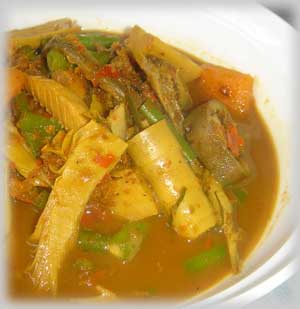
Southern Thai food has some unique ingredients and dishes. The most notable is the large tree-grown bean known as Sato, a bit like garlic because everyone knows when you’ve been eating it! Kaeng Tai Pla, quite famous among southern curries is cooked from fish kidneys with added vegetables; Kaeng Luang, is a yellow curry with fish and bamboo-shoots.
If you have a delicate palate, approach this dish with extreme care; Muslim dishes are, of course, common in this strongly Islamic region. Southern Thai food of this nature can be seen in many dishes. Khao Mok Kai, exhibits strong Middle Eastern influences with its saffron rice and marinated chicken; Kuai Tieo Khaek, noodle curry, inspires thoughts of India, though it is believed to have originated in the Malay peninsula.
North-eastern Thai Food

North-eastern Thai food reflects the influence of neighbouring Lao in a number of dishes. Glutinous rice is the staple diet, and all food is highly seasoned. This is supplemented by a heady mixture of strong bitterness and saltiness, creating an excitingly forthright taste locally known as saeb. Som Tam (green papaya salad), is one of north-eastern Thailand's favourite dishes that has became popular nation-wide, and even in Thai restaurants overseas.
Amongst the many dishes that make up North-eastern Thai food. Som Tam (green papaya salad) has become a favourite and is popular nation-wide as well as in restaurants around the world.
Som Tam is a spicy salad made from raw papaya, dried shrimp, crab, lime juice, garlic and chillies. For the genuine Isan version, Pla Ra, fermented fish, is also added to the dish. Lap (other popular North-eastern Thai food dishes include), North-eastern Thai food minced meat, chicken or pork, cooked in heavily seasoned dried chillies, lime juice and fish sauce; Nam Tok, medium rare barbecued meat cooked with spicy sauces, lime juice, fish sauce and dried chillies; and Kai Yang or grilled chicken, another North-eastern Thai food dish that is always ordered after the formula of Lap, Nam Tok and Som Tam. Bathed with herbs and sauces, it is eaten with a sweet sauce used as a dip.
Northern Thai Food

Northern Thai food also includes dishes such as kaeng Hang Le, a spicy pork curry that relies on ginger, tamarind, and turmeric; Khao Soi, a mix of eggnoodles and meat that also originated in Burma, which is heavily laced with coconut cream, and served with spring onions, pickled cabbage and slices of lime; Nam Phrik Ong, another delectable accompaniment, a northern-style chilli-dip served with dried shredded pork and freshly cooked vegetables; and Miang (tea leaves) another Burmese item that is eaten as an hors d'oeuvre.
The exclusive method for serving Northern Thai food is on a Khan Toke (small circular table). It is normally set up in lavish surroundings. Diners sit on the floor around the table and help themselves to assorted dishes; perhaps a minced meat dish seasoned with chilli, a salad, and numerous sauces. Thus, eating Northern Thai food is a very communal affair.
Central Thai Food

Central Thai food includes dishes such as Kaeng Phet, or curry, which is eaten with rice; Tom Yum, the most frequently ordered dish all over Bangkok, which is mixed with kung (shrimp), fish and chicken and is flavoured with lemon grass, chillies and kaffir lime leaves; Kaeng Khieo Wan, a spicy green curry with ingredients comprised of coconut milk, sweet basil and chillies;
Tom Kha Gai, a thick coconut milk curry made with chicken or meat with lemon grass; Kaeng Som, a spicy sour soup with fresh vegetables, shrimps or fish; Kaeng Liang, a traditional herbal, mild and spicy soup with vegetables; Phat Phak, or fried vegetables with oyster sauce, and Phat Prieo Wan, sweet and sour versions, are best known to complement rice and curry; Yum, a spicy salad dish full of torpedo-shaped chillies, which is quite popular and often ordered with a pre-dinner drink; and Nam Phrik, the most original Thai dish of all, which offers an array of different versions, all incredibly pungent to a foreign nose.
Festivals in Thailand - December

:: King’s Cup Regattadiv
Asia’s most popular yachting regatta, attracting hundreds of boats for racing around Phuket and for serious evening partying by crews and enthusiasts.
This national holiday is celebrated everywhere, by all Thais, with acts of homage to their beloved monarch. In Bangkok, at sunset, people line the central streets with lit candles as a gesture of respect and solidarity. Many buildings are decorated with lights and displays of tribute featuring pictures of The King.
Observed in celebration of the nation’s original transformation, in 1932, from an absolute, to constitutional monarchy.
Not officially a holiday in Thailand, but a good reason to give and receive presents and to hold parties, enjoyed by everyone. Department stores hold big sales and decorations are lavish.
After harvesting the crop at the beginning of December, the Grand Kite Festival is held. Every village will create kites and bring them to the competition. The contestants’ kites must have wings at least 2.5 meters wide. The winning kite is the best decorated one with good sound of the flight and the movement of the flight. There are kite parade, beauty pageant with the candidates from all over the region as well as local product stalls.
This national holiday honours King Chulalongkorn, Rama V, one of Thailand’s most revered monarchs, who died in 1910. Ceremonies and presentations of floral wreaths are held at his statues.
| When: | 1st week December 2011 |
|---|---|
| Where: | Throughout Thailand |
:: HM The King’s Birthday
| When: | 5 December 2011 |
|---|---|
| Where: | Throughout Thailand |
:: Constitution Day
| When: | 10 December 2011 |
|---|---|
| Where: | Throughout Thailand |
:: Christmas
| When: | 24-25 December 2011 |
|---|---|
| Where: | Throughout Thailand |
:: Isan Grand Kite Festival
| When: | 31 December 2011 - 1 January 2012 |
|---|---|
| Where: | Burirum |
:: New Year
| When: | 31 December 2011 - 1 January 2012 |
|---|---|
| Where: | Throughout Thailand |
Festivals in Thailand - November

:: Loi Krathoong
| When: | 10 November 2011 |
|---|---|
| Where: | Throughout Thailand |
:: Surin Elephant Roundup
| When: | 15-16 November 2011 |
|---|---|
| Where: | Surin |
:: Bangkok Marathon
| When: | 20 November 2011 |
|---|---|
| Where: | Bangkok |
:: Long Sapao Chao Wiang Lakorn, Lampang Floating Festival
| When: | November 2011 |
|---|---|
| Where: | Lampang |
:: Sukhothai Loi Krathong and Candle Festival
| When: | November 2011 |
|---|---|
| Where: | Sukhothai |
:: Blooming Mexican Sunflower Festival
| When: | 20 November 2011 |
|---|---|
| Where: | Mae Hong Son |
:: River Kwai Bridge Festival
| When: | November - December 2011 |
|---|---|
| Where: | Kanchanaburi |
:: Standard Chartered Bangkok Marathon
| When: | November 2011 |
|---|---|
| Where: | Bangkok |
:: Monkey Buffet Festival
| When: | November 2011 |
|---|---|
| Where: | Lopburi |
:: Phimai Festival
| When: | November 2011 |
|---|---|
| Where: | Nakhon Ratchasima |
Festivals in Thailand - October

:: Chulalongkorn Day
| When: | 23 October 2011 (Holiday on 24th) |
|---|---|
| Where: | Throughout Thailand |
:: Harvest Festivals
| When: | October 2011 |
|---|---|
| Where: | Throughout Thailand |
:: Bathing Buddha Ceremony
| When: | October 2011 |
|---|---|
| Where: | Petchabun |
:: Lotus Throwing Festival
| When: | October 2011 |
|---|---|
| Where: | Samut Prakan |
:: Sakon Nakhon Wax Castle Festival
| When: | October 2011 |
|---|---|
| Where: | Sakon Nakhon |
:: The Illuminated Boat Procession
| When: | October 2011 |
|---|---|
| Where: | Nakhon Phanom |
:: Buffalo Racing
| When: | October 2011 |
|---|---|
| Where: | Chonburi |
:: Chak Phra Festival
| When: | October 2011 |
|---|---|
| Where: | Surat Thani |
Festivals in Thailand - September

:: Sart Thai Kluay Khai Kamphaeng Festival
| When: | September 2010 |
|---|---|
| Where: | Kamphaengphet |
:: Uttaradit Sweet Langsat and Souvenir Fair
| When: | September 2010 |
|---|---|
| Where: | Uttaradit |
:: Chiang Rai Pomelo Festival
| When: | September 2010 |
|---|---|
| Where: | Chiang Rai |
:: 10th Lunar Month Merit-Making
| When: | September 2010 |
|---|---|
| Where: | Nakhon Si Thammarat |
:: Narathiwat Gor Boat Racing
| When: | September 2010 |
|---|---|
| Where: | Narathiwat |
:: Barbequed Pork Fair
| When: | September 2010 |
|---|---|
| Where: | Trang |
Saturday, February 5, 2011
Korea Traditional Sports and Games


Subscribe to:
Posts (Atom)